Blogging continues to be one of the most accessible and potentially profitable online ventures in 2026. Whether you're looking to share your expertise, build a personal brand, or create a sustainable income stream, starting a blog can help you achieve these goals. This comprehensive guide will walk you through every step of creating a successful, money-making blog from scratch.
Quick Tip: Before diving into blogging, spend time researching successful blogs in your niche. Analyze what they're doing well, how they monetize, and what content resonates with their audience. This research will give you valuable insights to apply to your own blog.
Why Start a Blog in 2026?
Despite the rise of various content platforms, blogging remains relevant and offers unique advantages:
- Ownership and Control - Unlike social media platforms, you own your blog and its content
- Multiple Income Streams - Blogs can be monetized in various ways
- Flexibility - Work from anywhere on your own schedule
- Low Startup Costs - Begin with minimal investment
- Long-term Asset - A blog builds value over time
- Personal Branding - Establish yourself as an authority in your field
Step 1: Choose Your Blog Niche
Selecting the right niche is crucial for your blog's success and monetization potential.
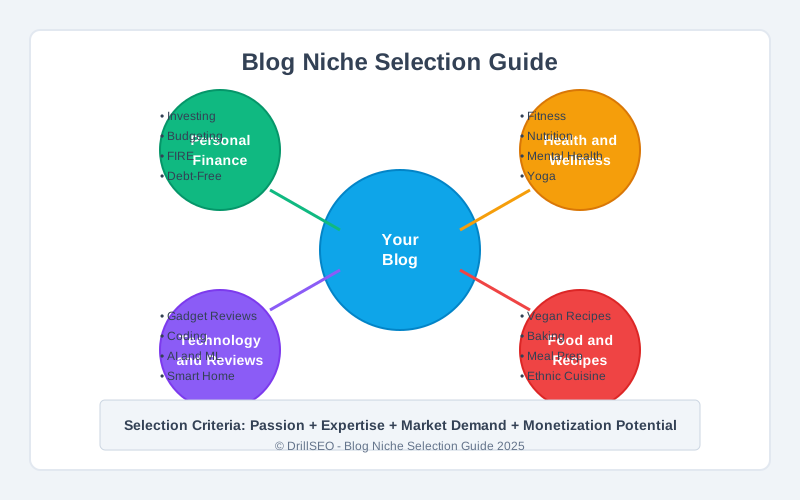
How to Choose a Profitable Niche:
- Identify your passions and expertise - Sustainable blogging requires genuine interest
- Research market demand - Use tools like Google Trends, Semrush, or Ahrefs to assess search volume
- Evaluate monetization potential - Consider if the niche has products to promote, advertising potential, or course opportunities
- Analyze competition - Look for niches with a balance of established blogs (proving demand) but not oversaturation
- Consider longevity - Choose topics with staying power rather than temporary trends
Profitable Blog Niches in 2026:
- Personal Finance - Budgeting, investing, financial independence
- Health and Wellness - Nutrition, fitness, mental health
- Technology - Reviews, tutorials, emerging tech
- Sustainable Living - Eco-friendly products, minimalism
- Remote Work - Productivity, home office setups, digital nomad lifestyle
- Parenting - Age-specific advice, education, family activities
- Food and Recipes - Specialized diets, cultural cuisines
- Personal Development - Career growth, skill acquisition
Niche Selection Strategy
When starting a new blog, focus on creating 10-15 comprehensive "pillar" articles (2,000+ words) that thoroughly cover the main topics in your niche. These in-depth resources establish your expertise, rank better in search engines, and provide a foundation to link to from shorter, more specific posts you'll create later.
Step 5: Build Your Audience
Growing your audience is essential for monetization success.
SEO Fundamentals:
- Conduct keyword research for every post
- Optimize title tags, meta descriptions, and URLs
- Create content that satisfies search intent
- Build internal links between related content
- Focus on page speed and mobile optimization
- Earn backlinks through quality content and outreach
Email List Building:
- Set up an email marketing platform (ConvertKit, MailerLite, or Flodesk)
- Create valuable lead magnets (checklists, templates, mini-courses)
- Place opt-in forms strategically throughout your site
- Send regular, valuable content to subscribers
- Segment your list for targeted communications
Social Media Strategy:
- Focus on 1-2 platforms where your audience is most active
- Create platform-specific content rather than just sharing links
- Engage with your audience and other creators
- Use social media to understand audience needs
- Consider Pinterest for long-term traffic (especially for certain niches)
Step 6: Monetize Your Blog
Once you've built content and started growing an audience, you can implement monetization strategies.
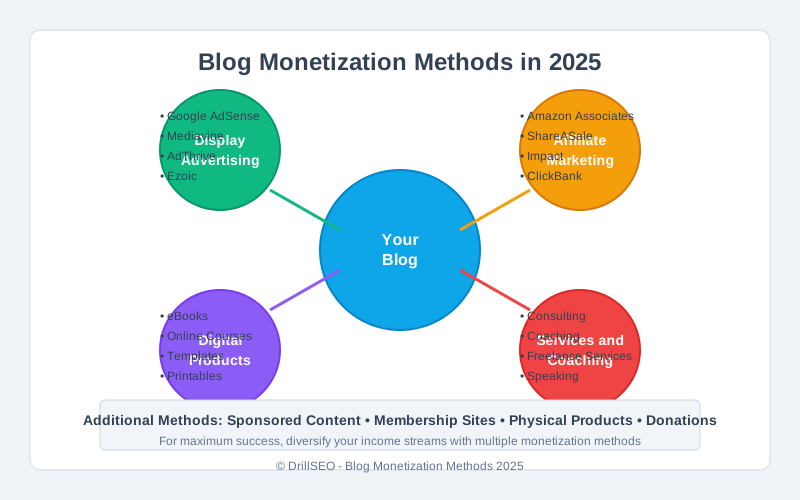
Monetization Tip: Don't try to implement all monetization methods at once. Start with one method that aligns best with your content and audience (typically affiliate marketing or display ads for beginners), master it, and then gradually add additional income streams as your blog grows.
For a comprehensive breakdown of all monetization methods, see our detailed guide on How to Monetize a Blog: 10 Proven Ways to Generate Income.
Display Advertising:
- Google AdSense - Accessible for new bloggers but lower earnings
- Mediavine - Higher rates but requires 50,000 sessions/month
- AdThrive - Premium rates for sites with 100,000+ pageviews
- Ezoic - AI-optimized ads with lower traffic requirements
Affiliate Marketing:
- Join affiliate programs relevant to your niche (Amazon Associates, ShareASale, etc.)
- Create genuine, helpful product reviews and comparisons
- Disclose affiliate relationships transparently
- Focus on products you actually use and recommend
- Create resource pages with your top affiliate recommendations
Digital Products:
- E-books and guides on your area of expertise
- Online courses teaching specific skills
- Templates, printables, or digital tools
- Membership sites with premium content
- Software or apps if you have technical skills
Services:
- Coaching or consulting in your area of expertise
- Freelance services related to your blog topic
- Speaking engagements or workshops
- Implementation services helping clients apply your advice
Sponsored Content:
- Partner with brands relevant to your audience
- Create authentic sponsored posts that provide value
- Set rates based on your audience size and engagement
- Maintain transparency about sponsored relationships
Step 7: Scale Your Blog Business
As your blog grows, implement these strategies to increase your income:
- Diversify income streams - Don't rely on just one monetization method
- Analyze and optimize - Use analytics to identify your most profitable content and create more of it
- Build systems - Create processes that allow you to produce content efficiently
- Consider outsourcing - Hire help for tasks that aren't your strength
- Create a content upgrade strategy - Regularly update and improve existing content
- Develop premium offerings - Create higher-priced products as your authority grows
Common Blogging Mistakes to Avoid
- Inconsistent publishing - Set a realistic schedule you can maintain
- Neglecting email list building - Start collecting emails from day one
- Monetizing too early - Focus on building quality content and audience first
- Spreading yourself too thin - Focus on mastering one platform before expanding
- Ignoring SEO - Learn the basics to ensure your content gets found
- Copying competitors - Find your unique voice and perspective
- Giving up too soon - Blogging success typically takes 12-18 months of consistent effort
Warning: The Blogging Valley of Despair
Many new bloggers quit during months 3-6, when they're publishing content but seeing minimal results. This period, often called the "valley of despair," is normal and temporary. Those who persist through this phase and continue creating quality content are the ones who eventually succeed. Remember that most "overnight successes" actually took 1-2 years of consistent work.
Realistic Timeline and Expectations
Understanding the typical blogging journey helps set realistic expectations:
- Months 1-3: Setup, initial content creation, minimal traffic
- Months 4-6: Growing content library, beginning to rank for some keywords, first monetization attempts
- Months 7-12: Increasing traffic, improved SEO rankings, growing email list, consistent but modest income
- Year 2: Established authority, multiple income streams, more predictable revenue
- Year 3+: Potential for full-time income, expanded product offerings, opportunities for partnerships
Conclusion
Starting a blog and turning it into a money-making venture requires patience, persistence, and strategic planning. By following this guide, you'll be well-equipped to create a successful blog in 2026 and beyond. Remember that the most successful bloggers are those who provide genuine value to their audience while staying adaptable to changing trends and technologies.
Final Tip: The most valuable asset in your blogging journey is persistence. Successful bloggers aren't necessarily the most talented writers or the most tech-savvy individuals—they're the ones who consistently show up, create content, learn from feedback, and adapt their strategies over time.
The journey to a profitable blog isn't always linear, but with consistent effort and the right strategies, you can build a sustainable online business that generates income while allowing you to share your knowledge and passion with the world.
Related Articles
Frequently Asked Questions
How much does it cost to start a blog?
You can start a blog for as little as $3-15 per month for hosting, plus
Blogging continues to be one of the most accessible and potentially profitable online ventures in 2026. Whether you're looking to share your expertise, build a personal brand, or create a sustainable income stream, starting a blog can help you achieve these goals. This comprehensive guide will walk you through every step of creating a successful, money-making blog from scratch.
Quick Tip: Before diving into blogging, spend time researching successful blogs in your niche. Analyze what they're doing well, how they monetize, and what content resonates with their audience. This research will give you valuable insights to apply to your own blog.
Why Start a Blog in 2026?
Despite the rise of various content platforms, blogging remains relevant and offers unique advantages:
- Ownership and Control - Unlike social media platforms, you own your blog and its content
- Multiple Income Streams - Blogs can be monetized in various ways
- Flexibility - Work from anywhere on your own schedule
- Low Startup Costs - Begin with minimal investment
- Long-term Asset - A blog builds value over time
- Personal Branding - Establish yourself as an authority in your field
Step 1: Choose Your Blog Niche
Selecting the right niche is crucial for your blog's success and monetization potential.
How to Choose a Profitable Niche:
- Identify your passions and expertise - Sustainable blogging requires genuine interest
- Research market demand - Use tools like Google Trends, Semrush, or Ahrefs to assess search volume
- Evaluate monetization potential - Consider if the niche has products to promote, advertising potential, or course opportunities
- Analyze competition - Look for niches with a balance of established blogs (proving demand) but not oversaturation
- Consider longevity - Choose topics with staying power rather than temporary trends
Profitable Blog Niches in 2026:
- Personal Finance - Budgeting, investing, financial independence
- Health and Wellness - Nutrition, fitness, mental health
- Technology - Reviews, tutorials, emerging tech
- Sustainable Living - Eco-friendly products, minimalism
- Remote Work - Productivity, home office setups, digital nomad lifestyle
- Parenting - Age-specific advice, education, family activities
- Food and Recipes - Specialized diets, cultural cuisines
- Personal Development - Career growth, skill acquisition
Niche Selection Strategy
When starting a new blog, focus on creating 10-15 comprehensive "pillar" articles (2,000+ words) that thoroughly cover the main topics in your niche. These in-depth resources establish your expertise, rank better in search engines, and provide a foundation to link to from shorter, more specific posts you'll create later.
Step 5: Build Your Audience
Growing your audience is essential for monetization success.
SEO Fundamentals:
- Conduct keyword research for every post
- Optimize title tags, meta descriptions, and URLs
- Create content that satisfies search intent
- Build internal links between related content
- Focus on page speed and mobile optimization
- Earn backlinks through quality content and outreach
Email List Building:
- Set up an email marketing platform (ConvertKit, MailerLite, or Flodesk)
- Create valuable lead magnets (checklists, templates, mini-courses)
- Place opt-in forms strategically throughout your site
- Send regular, valuable content to subscribers
- Segment your list for targeted communications
Social Media Strategy:
- Focus on 1-2 platforms where your audience is most active
- Create platform-specific content rather than just sharing links
- Engage with your audience and other creators
- Use social media to understand audience needs
- Consider Pinterest for long-term traffic (especially for certain niches)
Step 6: Monetize Your Blog
Once you've built content and started growing an audience, you can implement monetization strategies.
Monetization Tip: Don't try to implement all monetization methods at once. Start with one method that aligns best with your content and audience (typically affiliate marketing or display ads for beginners), master it, and then gradually add additional income streams as your blog grows.
For a comprehensive breakdown of all monetization methods, see our detailed guide on How to Monetize a Blog: 10 Proven Ways to Generate Income.
Display Advertising:
- Google AdSense - Accessible for new bloggers but lower earnings
- Mediavine - Higher rates but requires 50,000 sessions/month
- AdThrive - Premium rates for sites with 100,000+ pageviews
- Ezoic - AI-optimized ads with lower traffic requirements
Affiliate Marketing:
- Join affiliate programs relevant to your niche (Amazon Associates, ShareASale, etc.)
- Create genuine, helpful product reviews and comparisons
- Disclose affiliate relationships transparently
- Focus on products you actually use and recommend
- Create resource pages with your top affiliate recommendations
Digital Products:
- E-books and guides on your area of expertise
- Online courses teaching specific skills
- Templates, printables, or digital tools
- Membership sites with premium content
- Software or apps if you have technical skills
Services:
- Coaching or consulting in your area of expertise
- Freelance services related to your blog topic
- Speaking engagements or workshops
- Implementation services helping clients apply your advice
Sponsored Content:
- Partner with brands relevant to your audience
- Create authentic sponsored posts that provide value
- Set rates based on your audience size and engagement
- Maintain transparency about sponsored relationships
Step 7: Scale Your Blog Business
As your blog grows, implement these strategies to increase your income:
- Diversify income streams - Don't rely on just one monetization method
- Analyze and optimize - Use analytics to identify your most profitable content and create more of it
- Build systems - Create processes that allow you to produce content efficiently
- Consider outsourcing - Hire help for tasks that aren't your strength
- Create a content upgrade strategy - Regularly update and improve existing content
- Develop premium offerings - Create higher-priced products as your authority grows
Common Blogging Mistakes to Avoid
- Inconsistent publishing - Set a realistic schedule you can maintain
- Neglecting email list building - Start collecting emails from day one
- Monetizing too early - Focus on building quality content and audience first
- Spreading yourself too thin - Focus on mastering one platform before expanding
- Ignoring SEO - Learn the basics to ensure your content gets found
- Copying competitors - Find your unique voice and perspective
- Giving up too soon - Blogging success typically takes 12-18 months of consistent effort
Warning: The Blogging Valley of Despair
Many new bloggers quit during months 3-6, when they're publishing content but seeing minimal results. This period, often called the "valley of despair," is normal and temporary. Those who persist through this phase and continue creating quality content are the ones who eventually succeed. Remember that most "overnight successes" actually took 1-2 years of consistent work.
Realistic Timeline and Expectations
Understanding the typical blogging journey helps set realistic expectations:
- Months 1-3: Setup, initial content creation, minimal traffic
- Months 4-6: Growing content library, beginning to rank for some keywords, first monetization attempts
- Months 7-12: Increasing traffic, improved SEO rankings, growing email list, consistent but modest income
- Year 2: Established authority, multiple income streams, more predictable revenue
- Year 3+: Potential for full-time income, expanded product offerings, opportunities for partnerships
Conclusion
Starting a blog and turning it into a money-making venture requires patience, persistence, and strategic planning. By following this guide, you'll be well-equipped to create a successful blog in 2026 and beyond. Remember that the most successful bloggers are those who provide genuine value to their audience while staying adaptable to changing trends and technologies.
Final Tip: The most valuable asset in your blogging journey is persistence. Successful bloggers aren't necessarily the most talented writers or the most tech-savvy individuals—they're the ones who consistently show up, create content, learn from feedback, and adapt their strategies over time.
The journey to a profitable blog isn't always linear, but with consistent effort and the right strategies, you can build a sustainable online business that generates income while allowing you to share your knowledge and passion with the world.
Related Articles
Frequently Asked Questions
How much does it cost to start a blog?
You can start a blog for as little as $3-15 per month for hosting, plus
Blogging continues to be one of the most accessible and potentially profitable online ventures in 2026. Whether you're looking to share your expertise, build a personal brand, or create a sustainable income stream, starting a blog can help you achieve these goals. This comprehensive guide will walk you through every step of creating a successful, money-making blog from scratch.
Quick Tip: Before diving into blogging, spend time researching successful blogs in your niche. Analyze what they're doing well, how they monetize, and what content resonates with their audience. This research will give you valuable insights to apply to your own blog.
Why Start a Blog in 2026?
Despite the rise of various content platforms, blogging remains relevant and offers unique advantages:
- Ownership and Control - Unlike social media platforms, you own your blog and its content
- Multiple Income Streams - Blogs can be monetized in various ways
- Flexibility - Work from anywhere on your own schedule
- Low Startup Costs - Begin with minimal investment
- Long-term Asset - A blog builds value over time
- Personal Branding - Establish yourself as an authority in your field
Step 1: Choose Your Blog Niche
Selecting the right niche is crucial for your blog's success and monetization potential.
How to Choose a Profitable Niche:
- Identify your passions and expertise - Sustainable blogging requires genuine interest
- Research market demand - Use tools like Google Trends, Semrush, or Ahrefs to assess search volume
- Evaluate monetization potential - Consider if the niche has products to promote, advertising potential, or course opportunities
- Analyze competition - Look for niches with a balance of established blogs (proving demand) but not oversaturation
- Consider longevity - Choose topics with staying power rather than temporary trends
Profitable Blog Niches in 2026:
- Personal Finance - Budgeting, investing, financial independence
- Health and Wellness - Nutrition, fitness, mental health
- Technology - Reviews, tutorials, emerging tech
- Sustainable Living - Eco-friendly products, minimalism
- Remote Work - Productivity, home office setups, digital nomad lifestyle
- Parenting - Age-specific advice, education, family activities
- Food and Recipes - Specialized diets, cultural cuisines
- Personal Development - Career growth, skill acquisition
Niche Selection Strategy
When starting a new blog, focus on creating 10-15 comprehensive "pillar" articles (2,000+ words) that thoroughly cover the main topics in your niche. These in-depth resources establish your expertise, rank better in search engines, and provide a foundation to link to from shorter, more specific posts you'll create later.
Step 5: Build Your Audience
Growing your audience is essential for monetization success.
SEO Fundamentals:
- Conduct keyword research for every post
- Optimize title tags, meta descriptions, and URLs
- Create content that satisfies search intent
- Build internal links between related content
- Focus on page speed and mobile optimization
- Earn backlinks through quality content and outreach
Email List Building:
- Set up an email marketing platform (ConvertKit, MailerLite, or Flodesk)
- Create valuable lead magnets (checklists, templates, mini-courses)
- Place opt-in forms strategically throughout your site
- Send regular, valuable content to subscribers
- Segment your list for targeted communications
Social Media Strategy:
- Focus on 1-2 platforms where your audience is most active
- Create platform-specific content rather than just sharing links
- Engage with your audience and other creators
- Use social media to understand audience needs
- Consider Pinterest for long-term traffic (especially for certain niches)
Step 6: Monetize Your Blog
Once you've built content and started growing an audience, you can implement monetization strategies.
Monetization Tip: Don't try to implement all monetization methods at once. Start with one method that aligns best with your content and audience (typically affiliate marketing or display ads for beginners), master it, and then gradually add additional income streams as your blog grows.
For a comprehensive breakdown of all monetization methods, see our detailed guide on How to Monetize a Blog: 10 Proven Ways to Generate Income.
Display Advertising:
- Google AdSense - Accessible for new bloggers but lower earnings
- Mediavine - Higher rates but requires 50,000 sessions/month
- AdThrive - Premium rates for sites with 100,000+ pageviews
- Ezoic - AI-optimized ads with lower traffic requirements
Affiliate Marketing:
- Join affiliate programs relevant to your niche (Amazon Associates, ShareASale, etc.)
- Create genuine, helpful product reviews and comparisons
- Disclose affiliate relationships transparently
- Focus on products you actually use and recommend
- Create resource pages with your top affiliate recommendations
Digital Products:
- E-books and guides on your area of expertise
- Online courses teaching specific skills
- Templates, printables, or digital tools
- Membership sites with premium content
- Software or apps if you have technical skills
Services:
- Coaching or consulting in your area of expertise
- Freelance services related to your blog topic
- Speaking engagements or workshops
- Implementation services helping clients apply your advice
Sponsored Content:
- Partner with brands relevant to your audience
- Create authentic sponsored posts that provide value
- Set rates based on your audience size and engagement
- Maintain transparency about sponsored relationships
Step 7: Scale Your Blog Business
As your blog grows, implement these strategies to increase your income:
- Diversify income streams - Don't rely on just one monetization method
- Analyze and optimize - Use analytics to identify your most profitable content and create more of it
- Build systems - Create processes that allow you to produce content efficiently
- Consider outsourcing - Hire help for tasks that aren't your strength
- Create a content upgrade strategy - Regularly update and improve existing content
- Develop premium offerings - Create higher-priced products as your authority grows
Common Blogging Mistakes to Avoid
- Inconsistent publishing - Set a realistic schedule you can maintain
- Neglecting email list building - Start collecting emails from day one
- Monetizing too early - Focus on building quality content and audience first
- Spreading yourself too thin - Focus on mastering one platform before expanding
- Ignoring SEO - Learn the basics to ensure your content gets found
- Copying competitors - Find your unique voice and perspective
- Giving up too soon - Blogging success typically takes 12-18 months of consistent effort
Warning: The Blogging Valley of Despair
Many new bloggers quit during months 3-6, when they're publishing content but seeing minimal results. This period, often called the "valley of despair," is normal and temporary. Those who persist through this phase and continue creating quality content are the ones who eventually succeed. Remember that most "overnight successes" actually took 1-2 years of consistent work.
Realistic Timeline and Expectations
Understanding the typical blogging journey helps set realistic expectations:
- Months 1-3: Setup, initial content creation, minimal traffic
- Months 4-6: Growing content library, beginning to rank for some keywords, first monetization attempts
- Months 7-12: Increasing traffic, improved SEO rankings, growing email list, consistent but modest income
- Year 2: Established authority, multiple income streams, more predictable revenue
- Year 3+: Potential for full-time income, expanded product offerings, opportunities for partnerships
Conclusion
Starting a blog and turning it into a money-making venture requires patience, persistence, and strategic planning. By following this guide, you'll be well-equipped to create a successful blog in 2026 and beyond. Remember that the most successful bloggers are those who provide genuine value to their audience while staying adaptable to changing trends and technologies.
Final Tip: The most valuable asset in your blogging journey is persistence. Successful bloggers aren't necessarily the most talented writers or the most tech-savvy individuals—they're the ones who consistently show up, create content, learn from feedback, and adapt their strategies over time.
The journey to a profitable blog isn't always linear, but with consistent effort and the right strategies, you can build a sustainable online business that generates income while allowing you to share your knowledge and passion with the world.
Related Articles
Frequently Asked Questions
How much does it cost to start a blog?
You can start a blog for as little as $3-15 per month for hosting, plus
Blogging continues to be one of the most accessible and potentially profitable online ventures in 2026. Whether you're looking to share your expertise, build a personal brand, or create a sustainable income stream, starting a blog can help you achieve these goals. This comprehensive guide will walk you through every step of creating a successful, money-making blog from scratch.
Quick Tip: Before diving into blogging, spend time researching successful blogs in your niche. Analyze what they're doing well, how they monetize, and what content resonates with their audience. This research will give you valuable insights to apply to your own blog.
Why Start a Blog in 2026?
Despite the rise of various content platforms, blogging remains relevant and offers unique advantages:
- Ownership and Control - Unlike social media platforms, you own your blog and its content
- Multiple Income Streams - Blogs can be monetized in various ways
- Flexibility - Work from anywhere on your own schedule
- Low Startup Costs - Begin with minimal investment
- Long-term Asset - A blog builds value over time
- Personal Branding - Establish yourself as an authority in your field
Step 1: Choose Your Blog Niche
Selecting the right niche is crucial for your blog's success and monetization potential.
How to Choose a Profitable Niche:
- Identify your passions and expertise - Sustainable blogging requires genuine interest
- Research market demand - Use tools like Google Trends, Semrush, or Ahrefs to assess search volume
- Evaluate monetization potential - Consider if the niche has products to promote, advertising potential, or course opportunities
- Analyze competition - Look for niches with a balance of established blogs (proving demand) but not oversaturation
- Consider longevity - Choose topics with staying power rather than temporary trends
Profitable Blog Niches in 2026:
- Personal Finance - Budgeting, investing, financial independence
- Health and Wellness - Nutrition, fitness, mental health
- Technology - Reviews, tutorials, emerging tech
- Sustainable Living - Eco-friendly products, minimalism
- Remote Work - Productivity, home office setups, digital nomad lifestyle
- Parenting - Age-specific advice, education, family activities
- Food and Recipes - Specialized diets, cultural cuisines
- Personal Development - Career growth, skill acquisition
Niche Selection Strategy
When starting a new blog, focus on creating 10-15 comprehensive "pillar" articles (2,000+ words) that thoroughly cover the main topics in your niche. These in-depth resources establish your expertise, rank better in search engines, and provide a foundation to link to from shorter, more specific posts you'll create later.
Step 5: Build Your Audience
Growing your audience is essential for monetization success.
SEO Fundamentals:
- Conduct keyword research for every post
- Optimize title tags, meta descriptions, and URLs
- Create content that satisfies search intent
- Build internal links between related content
- Focus on page speed and mobile optimization
- Earn backlinks through quality content and outreach
Email List Building:
- Set up an email marketing platform (ConvertKit, MailerLite, or Flodesk)
- Create valuable lead magnets (checklists, templates, mini-courses)
- Place opt-in forms strategically throughout your site
- Send regular, valuable content to subscribers
- Segment your list for targeted communications
Social Media Strategy:
- Focus on 1-2 platforms where your audience is most active
- Create platform-specific content rather than just sharing links
- Engage with your audience and other creators
- Use social media to understand audience needs
- Consider Pinterest for long-term traffic (especially for certain niches)
Step 6: Monetize Your Blog
Once you've built content and started growing an audience, you can implement monetization strategies.
Monetization Tip: Don't try to implement all monetization methods at once. Start with one method that aligns best with your content and audience (typically affiliate marketing or display ads for beginners), master it, and then gradually add additional income streams as your blog grows.
For a comprehensive breakdown of all monetization methods, see our detailed guide on How to Monetize a Blog: 10 Proven Ways to Generate Income.
Display Advertising:
- Google AdSense - Accessible for new bloggers but lower earnings
- Mediavine - Higher rates but requires 50,000 sessions/month
- AdThrive - Premium rates for sites with 100,000+ pageviews
- Ezoic - AI-optimized ads with lower traffic requirements
Affiliate Marketing:
- Join affiliate programs relevant to your niche (Amazon Associates, ShareASale, etc.)
- Create genuine, helpful product reviews and comparisons
- Disclose affiliate relationships transparently
- Focus on products you actually use and recommend
- Create resource pages with your top affiliate recommendations
Digital Products:
- E-books and guides on your area of expertise
- Online courses teaching specific skills
- Templates, printables, or digital tools
- Membership sites with premium content
- Software or apps if you have technical skills
Services:
- Coaching or consulting in your area of expertise
- Freelance services related to your blog topic
- Speaking engagements or workshops
- Implementation services helping clients apply your advice
Sponsored Content:
- Partner with brands relevant to your audience
- Create authentic sponsored posts that provide value
- Set rates based on your audience size and engagement
- Maintain transparency about sponsored relationships
Step 7: Scale Your Blog Business
As your blog grows, implement these strategies to increase your income:
- Diversify income streams - Don't rely on just one monetization method
- Analyze and optimize - Use analytics to identify your most profitable content and create more of it
- Build systems - Create processes that allow you to produce content efficiently
- Consider outsourcing - Hire help for tasks that aren't your strength
- Create a content upgrade strategy - Regularly update and improve existing content
- Develop premium offerings - Create higher-priced products as your authority grows
Common Blogging Mistakes to Avoid
- Inconsistent publishing - Set a realistic schedule you can maintain
- Neglecting email list building - Start collecting emails from day one
- Monetizing too early - Focus on building quality content and audience first
- Spreading yourself too thin - Focus on mastering one platform before expanding
- Ignoring SEO - Learn the basics to ensure your content gets found
- Copying competitors - Find your unique voice and perspective
- Giving up too soon - Blogging success typically takes 12-18 months of consistent effort
Warning: The Blogging Valley of Despair
Many new bloggers quit during months 3-6, when they're publishing content but seeing minimal results. This period, often called the "valley of despair," is normal and temporary. Those who persist through this phase and continue creating quality content are the ones who eventually succeed. Remember that most "overnight successes" actually took 1-2 years of consistent work.
Realistic Timeline and Expectations
Understanding the typical blogging journey helps set realistic expectations:
- Months 1-3: Setup, initial content creation, minimal traffic
- Months 4-6: Growing content library, beginning to rank for some keywords, first monetization attempts
- Months 7-12: Increasing traffic, improved SEO rankings, growing email list, consistent but modest income
- Year 2: Established authority, multiple income streams, more predictable revenue
- Year 3+: Potential for full-time income, expanded product offerings, opportunities for partnerships
Conclusion
Starting a blog and turning it into a money-making venture requires patience, persistence, and strategic planning. By following this guide, you'll be well-equipped to create a successful blog in 2026 and beyond. Remember that the most successful bloggers are those who provide genuine value to their audience while staying adaptable to changing trends and technologies.
Final Tip: The most valuable asset in your blogging journey is persistence. Successful bloggers aren't necessarily the most talented writers or the most tech-savvy individuals—they're the ones who consistently show up, create content, learn from feedback, and adapt their strategies over time.
The journey to a profitable blog isn't always linear, but with consistent effort and the right strategies, you can build a sustainable online business that generates income while allowing you to share your knowledge and passion with the world.
Related Articles
Frequently Asked Questions
How much does it cost to start a blog?
You can start a blog for as little as $3-15 per month for hosting, plus
Blogging continues to be one of the most accessible and potentially profitable online ventures in 2026. Whether you're looking to share your expertise, build a personal brand, or create a sustainable income stream, starting a blog can help you achieve these goals. This comprehensive guide will walk you through every step of creating a successful, money-making blog from scratch.
Quick Tip: Before diving into blogging, spend time researching successful blogs in your niche. Analyze what they're doing well, how they monetize, and what content resonates with their audience. This research will give you valuable insights to apply to your own blog.
Why Start a Blog in 2026?
Despite the rise of various content platforms, blogging remains relevant and offers unique advantages:
- Ownership and Control - Unlike social media platforms, you own your blog and its content
- Multiple Income Streams - Blogs can be monetized in various ways
- Flexibility - Work from anywhere on your own schedule
- Low Startup Costs - Begin with minimal investment
- Long-term Asset - A blog builds value over time
- Personal Branding - Establish yourself as an authority in your field
Step 1: Choose Your Blog Niche
Selecting the right niche is crucial for your blog's success and monetization potential.
How to Choose a Profitable Niche:
- Identify your passions and expertise - Sustainable blogging requires genuine interest
- Research market demand - Use tools like Google Trends, Semrush, or Ahrefs to assess search volume
- Evaluate monetization potential - Consider if the niche has products to promote, advertising potential, or course opportunities
- Analyze competition - Look for niches with a balance of established blogs (proving demand) but not oversaturation
- Consider longevity - Choose topics with staying power rather than temporary trends
Profitable Blog Niches in 2026:
- Personal Finance - Budgeting, investing, financial independence
- Health and Wellness - Nutrition, fitness, mental health
- Technology - Reviews, tutorials, emerging tech
- Sustainable Living - Eco-friendly products, minimalism
- Remote Work - Productivity, home office setups, digital nomad lifestyle
- Parenting - Age-specific advice, education, family activities
- Food and Recipes - Specialized diets, cultural cuisines
- Personal Development - Career growth, skill acquisition
Niche Selection Strategy
When starting a new blog, focus on creating 10-15 comprehensive "pillar" articles (2,000+ words) that thoroughly cover the main topics in your niche. These in-depth resources establish your expertise, rank better in search engines, and provide a foundation to link to from shorter, more specific posts you'll create later.
Step 5: Build Your Audience
Growing your audience is essential for monetization success.
SEO Fundamentals:
- Conduct keyword research for every post
- Optimize title tags, meta descriptions, and URLs
- Create content that satisfies search intent
- Build internal links between related content
- Focus on page speed and mobile optimization
- Earn backlinks through quality content and outreach
Email List Building:
- Set up an email marketing platform (ConvertKit, MailerLite, or Flodesk)
- Create valuable lead magnets (checklists, templates, mini-courses)
- Place opt-in forms strategically throughout your site
- Send regular, valuable content to subscribers
- Segment your list for targeted communications
Social Media Strategy:
- Focus on 1-2 platforms where your audience is most active
- Create platform-specific content rather than just sharing links
- Engage with your audience and other creators
- Use social media to understand audience needs
- Consider Pinterest for long-term traffic (especially for certain niches)
Step 6: Monetize Your Blog
Once you've built content and started growing an audience, you can implement monetization strategies.
Monetization Tip: Don't try to implement all monetization methods at once. Start with one method that aligns best with your content and audience (typically affiliate marketing or display ads for beginners), master it, and then gradually add additional income streams as your blog grows.
For a comprehensive breakdown of all monetization methods, see our detailed guide on How to Monetize a Blog: 10 Proven Ways to Generate Income.
Display Advertising:
- Google AdSense - Accessible for new bloggers but lower earnings
- Mediavine - Higher rates but requires 50,000 sessions/month
- AdThrive - Premium rates for sites with 100,000+ pageviews
- Ezoic - AI-optimized ads with lower traffic requirements
Affiliate Marketing:
- Join affiliate programs relevant to your niche (Amazon Associates, ShareASale, etc.)
- Create genuine, helpful product reviews and comparisons
- Disclose affiliate relationships transparently
- Focus on products you actually use and recommend
- Create resource pages with your top affiliate recommendations
Digital Products:
- E-books and guides on your area of expertise
- Online courses teaching specific skills
- Templates, printables, or digital tools
- Membership sites with premium content
- Software or apps if you have technical skills
Services:
- Coaching or consulting in your area of expertise
- Freelance services related to your blog topic
- Speaking engagements or workshops
- Implementation services helping clients apply your advice
Sponsored Content:
- Partner with brands relevant to your audience
- Create authentic sponsored posts that provide value
- Set rates based on your audience size and engagement
- Maintain transparency about sponsored relationships
Step 7: Scale Your Blog Business
As your blog grows, implement these strategies to increase your income:
- Diversify income streams - Don't rely on just one monetization method
- Analyze and optimize - Use analytics to identify your most profitable content and create more of it
- Build systems - Create processes that allow you to produce content efficiently
- Consider outsourcing - Hire help for tasks that aren't your strength
- Create a content upgrade strategy - Regularly update and improve existing content
- Develop premium offerings - Create higher-priced products as your authority grows
Common Blogging Mistakes to Avoid
- Inconsistent publishing - Set a realistic schedule you can maintain
- Neglecting email list building - Start collecting emails from day one
- Monetizing too early - Focus on building quality content and audience first
- Spreading yourself too thin - Focus on mastering one platform before expanding
- Ignoring SEO - Learn the basics to ensure your content gets found
- Copying competitors - Find your unique voice and perspective
- Giving up too soon - Blogging success typically takes 12-18 months of consistent effort
Warning: The Blogging Valley of Despair
Many new bloggers quit during months 3-6, when they're publishing content but seeing minimal results. This period, often called the "valley of despair," is normal and temporary. Those who persist through this phase and continue creating quality content are the ones who eventually succeed. Remember that most "overnight successes" actually took 1-2 years of consistent work.
Realistic Timeline and Expectations
Understanding the typical blogging journey helps set realistic expectations:
- Months 1-3: Setup, initial content creation, minimal traffic
- Months 4-6: Growing content library, beginning to rank for some keywords, first monetization attempts
- Months 7-12: Increasing traffic, improved SEO rankings, growing email list, consistent but modest income
- Year 2: Established authority, multiple income streams, more predictable revenue
- Year 3+: Potential for full-time income, expanded product offerings, opportunities for partnerships
Conclusion
Starting a blog and turning it into a money-making venture requires patience, persistence, and strategic planning. By following this guide, you'll be well-equipped to create a successful blog in 2026 and beyond. Remember that the most successful bloggers are those who provide genuine value to their audience while staying adaptable to changing trends and technologies.
Final Tip: The most valuable asset in your blogging journey is persistence. Successful bloggers aren't necessarily the most talented writers or the most tech-savvy individuals—they're the ones who consistently show up, create content, learn from feedback, and adapt their strategies over time.
The journey to a profitable blog isn't always linear, but with consistent effort and the right strategies, you can build a sustainable online business that generates income while allowing you to share your knowledge and passion with the world.
Related Articles
Frequently Asked Questions
How much does it cost to start a blog?
You can start a blog for as little as $3-15 per month for hosting, plus
Blogging continues to be one of the most accessible and potentially profitable online ventures in 2026. Whether you're looking to share your expertise, build a personal brand, or create a sustainable income stream, starting a blog can help you achieve these goals. This comprehensive guide will walk you through every step of creating a successful, money-making blog from scratch.
Quick Tip: Before diving into blogging, spend time researching successful blogs in your niche. Analyze what they're doing well, how they monetize, and what content resonates with their audience. This research will give you valuable insights to apply to your own blog.
Why Start a Blog in 2026?
Despite the rise of various content platforms, blogging remains relevant and offers unique advantages:
- Ownership and Control - Unlike social media platforms, you own your blog and its content
- Multiple Income Streams - Blogs can be monetized in various ways
- Flexibility - Work from anywhere on your own schedule
- Low Startup Costs - Begin with minimal investment
- Long-term Asset - A blog builds value over time
- Personal Branding - Establish yourself as an authority in your field
Step 1: Choose Your Blog Niche
Selecting the right niche is crucial for your blog's success and monetization potential.
How to Choose a Profitable Niche:
- Identify your passions and expertise - Sustainable blogging requires genuine interest
- Research market demand - Use tools like Google Trends, Semrush, or Ahrefs to assess search volume
- Evaluate monetization potential - Consider if the niche has products to promote, advertising potential, or course opportunities
- Analyze competition - Look for niches with a balance of established blogs (proving demand) but not oversaturation
- Consider longevity - Choose topics with staying power rather than temporary trends
Profitable Blog Niches in 2026:
- Personal Finance - Budgeting, investing, financial independence
- Health and Wellness - Nutrition, fitness, mental health
- Technology - Reviews, tutorials, emerging tech
- Sustainable Living - Eco-friendly products, minimalism
- Remote Work - Productivity, home office setups, digital nomad lifestyle
- Parenting - Age-specific advice, education, family activities
- Food and Recipes - Specialized diets, cultural cuisines
- Personal Development - Career growth, skill acquisition
Niche Selection Strategy
When starting a new blog, focus on creating 10-15 comprehensive "pillar" articles (2,000+ words) that thoroughly cover the main topics in your niche. These in-depth resources establish your expertise, rank better in search engines, and provide a foundation to link to from shorter, more specific posts you'll create later.
Step 5: Build Your Audience
Growing your audience is essential for monetization success.
SEO Fundamentals:
- Conduct keyword research for every post
- Optimize title tags, meta descriptions, and URLs
- Create content that satisfies search intent
- Build internal links between related content
- Focus on page speed and mobile optimization
- Earn backlinks through quality content and outreach
Email List Building:
- Set up an email marketing platform (ConvertKit, MailerLite, or Flodesk)
- Create valuable lead magnets (checklists, templates, mini-courses)
- Place opt-in forms strategically throughout your site
- Send regular, valuable content to subscribers
- Segment your list for targeted communications
Social Media Strategy:
- Focus on 1-2 platforms where your audience is most active
- Create platform-specific content rather than just sharing links
- Engage with your audience and other creators
- Use social media to understand audience needs
- Consider Pinterest for long-term traffic (especially for certain niches)
Step 6: Monetize Your Blog
Once you've built content and started growing an audience, you can implement monetization strategies.
Monetization Tip: Don't try to implement all monetization methods at once. Start with one method that aligns best with your content and audience (typically affiliate marketing or display ads for beginners), master it, and then gradually add additional income streams as your blog grows.
For a comprehensive breakdown of all monetization methods, see our detailed guide on How to Monetize a Blog: 10 Proven Ways to Generate Income.
Display Advertising:
- Google AdSense - Accessible for new bloggers but lower earnings
- Mediavine - Higher rates but requires 50,000 sessions/month
- AdThrive - Premium rates for sites with 100,000+ pageviews
- Ezoic - AI-optimized ads with lower traffic requirements
Affiliate Marketing:
- Join affiliate programs relevant to your niche (Amazon Associates, ShareASale, etc.)
- Create genuine, helpful product reviews and comparisons
- Disclose affiliate relationships transparently
- Focus on products you actually use and recommend
- Create resource pages with your top affiliate recommendations
Digital Products:
- E-books and guides on your area of expertise
- Online courses teaching specific skills
- Templates, printables, or digital tools
- Membership sites with premium content
- Software or apps if you have technical skills
Services:
- Coaching or consulting in your area of expertise
- Freelance services related to your blog topic
- Speaking engagements or workshops
- Implementation services helping clients apply your advice
Sponsored Content:
- Partner with brands relevant to your audience
- Create authentic sponsored posts that provide value
- Set rates based on your audience size and engagement
- Maintain transparency about sponsored relationships
Step 7: Scale Your Blog Business
As your blog grows, implement these strategies to increase your income:
- Diversify income streams - Don't rely on just one monetization method
- Analyze and optimize - Use analytics to identify your most profitable content and create more of it
- Build systems - Create processes that allow you to produce content efficiently
- Consider outsourcing - Hire help for tasks that aren't your strength
- Create a content upgrade strategy - Regularly update and improve existing content
- Develop premium offerings - Create higher-priced products as your authority grows
Common Blogging Mistakes to Avoid
- Inconsistent publishing - Set a realistic schedule you can maintain
- Neglecting email list building - Start collecting emails from day one
- Monetizing too early - Focus on building quality content and audience first
- Spreading yourself too thin - Focus on mastering one platform before expanding
- Ignoring SEO - Learn the basics to ensure your content gets found
- Copying competitors - Find your unique voice and perspective
- Giving up too soon - Blogging success typically takes 12-18 months of consistent effort
Warning: The Blogging Valley of Despair
Many new bloggers quit during months 3-6, when they're publishing content but seeing minimal results. This period, often called the "valley of despair," is normal and temporary. Those who persist through this phase and continue creating quality content are the ones who eventually succeed. Remember that most "overnight successes" actually took 1-2 years of consistent work.
Realistic Timeline and Expectations
Understanding the typical blogging journey helps set realistic expectations:
- Months 1-3: Setup, initial content creation, minimal traffic
- Months 4-6: Growing content library, beginning to rank for some keywords, first monetization attempts
- Months 7-12: Increasing traffic, improved SEO rankings, growing email list, consistent but modest income
- Year 2: Established authority, multiple income streams, more predictable revenue
- Year 3+: Potential for full-time income, expanded product offerings, opportunities for partnerships
Conclusion
Starting a blog and turning it into a money-making venture requires patience, persistence, and strategic planning. By following this guide, you'll be well-equipped to create a successful blog in 2026 and beyond. Remember that the most successful bloggers are those who provide genuine value to their audience while staying adaptable to changing trends and technologies.
Final Tip: The most valuable asset in your blogging journey is persistence. Successful bloggers aren't necessarily the most talented writers or the most tech-savvy individuals—they're the ones who consistently show up, create content, learn from feedback, and adapt their strategies over time.
The journey to a profitable blog isn't always linear, but with consistent effort and the right strategies, you can build a sustainable online business that generates income while allowing you to share your knowledge and passion with the world.
Related Articles
Frequently Asked Questions
How much does it cost to start a blog?
You can start a blog for as little as $3-15 per month for hosting, plus
Blogging continues to be one of the most accessible and potentially profitable online ventures in 2026. Whether you're looking to share your expertise, build a personal brand, or create a sustainable income stream, starting a blog can help you achieve these goals. This comprehensive guide will walk you through every step of creating a successful, money-making blog from scratch.
Quick Tip: Before diving into blogging, spend time researching successful blogs in your niche. Analyze what they're doing well, how they monetize, and what content resonates with their audience. This research will give you valuable insights to apply to your own blog.
Why Start a Blog in 2026?
Despite the rise of various content platforms, blogging remains relevant and offers unique advantages:
- Ownership and Control - Unlike social media platforms, you own your blog and its content
- Multiple Income Streams - Blogs can be monetized in various ways
- Flexibility - Work from anywhere on your own schedule
- Low Startup Costs - Begin with minimal investment
- Long-term Asset - A blog builds value over time
- Personal Branding - Establish yourself as an authority in your field
Step 1: Choose Your Blog Niche
Selecting the right niche is crucial for your blog's success and monetization potential.
How to Choose a Profitable Niche:
- Identify your passions and expertise - Sustainable blogging requires genuine interest
- Research market demand - Use tools like Google Trends, Semrush, or Ahrefs to assess search volume
- Evaluate monetization potential - Consider if the niche has products to promote, advertising potential, or course opportunities
- Analyze competition - Look for niches with a balance of established blogs (proving demand) but not oversaturation
- Consider longevity - Choose topics with staying power rather than temporary trends
Profitable Blog Niches in 2026:
- Personal Finance - Budgeting, investing, financial independence
- Health and Wellness - Nutrition, fitness, mental health
- Technology - Reviews, tutorials, emerging tech
- Sustainable Living - Eco-friendly products, minimalism
- Remote Work - Productivity, home office setups, digital nomad lifestyle
- Parenting - Age-specific advice, education, family activities
- Food and Recipes - Specialized diets, cultural cuisines
- Personal Development - Career growth, skill acquisition
Niche Selection Strategy
When starting a new blog, focus on creating 10-15 comprehensive "pillar" articles (2,000+ words) that thoroughly cover the main topics in your niche. These in-depth resources establish your expertise, rank better in search engines, and provide a foundation to link to from shorter, more specific posts you'll create later.
Step 5: Build Your Audience
Growing your audience is essential for monetization success.
SEO Fundamentals:
- Conduct keyword research for every post
- Optimize title tags, meta descriptions, and URLs
- Create content that satisfies search intent
- Build internal links between related content
- Focus on page speed and mobile optimization
- Earn backlinks through quality content and outreach
Email List Building:
- Set up an email marketing platform (ConvertKit, MailerLite, or Flodesk)
- Create valuable lead magnets (checklists, templates, mini-courses)
- Place opt-in forms strategically throughout your site
- Send regular, valuable content to subscribers
- Segment your list for targeted communications
Social Media Strategy:
- Focus on 1-2 platforms where your audience is most active
- Create platform-specific content rather than just sharing links
- Engage with your audience and other creators
- Use social media to understand audience needs
- Consider Pinterest for long-term traffic (especially for certain niches)
Step 6: Monetize Your Blog
Once you've built content and started growing an audience, you can implement monetization strategies.
Monetization Tip: Don't try to implement all monetization methods at once. Start with one method that aligns best with your content and audience (typically affiliate marketing or display ads for beginners), master it, and then gradually add additional income streams as your blog grows.
For a comprehensive breakdown of all monetization methods, see our detailed guide on How to Monetize a Blog: 10 Proven Ways to Generate Income.
Display Advertising:
- Google AdSense - Accessible for new bloggers but lower earnings
- Mediavine - Higher rates but requires 50,000 sessions/month
- AdThrive - Premium rates for sites with 100,000+ pageviews
- Ezoic - AI-optimized ads with lower traffic requirements
Affiliate Marketing:
- Join affiliate programs relevant to your niche (Amazon Associates, ShareASale, etc.)
- Create genuine, helpful product reviews and comparisons
- Disclose affiliate relationships transparently
- Focus on products you actually use and recommend
- Create resource pages with your top affiliate recommendations
Digital Products:
- E-books and guides on your area of expertise
- Online courses teaching specific skills
- Templates, printables, or digital tools
- Membership sites with premium content
- Software or apps if you have technical skills
Services:
- Coaching or consulting in your area of expertise
- Freelance services related to your blog topic
- Speaking engagements or workshops
- Implementation services helping clients apply your advice
Sponsored Content:
- Partner with brands relevant to your audience
- Create authentic sponsored posts that provide value
- Set rates based on your audience size and engagement
- Maintain transparency about sponsored relationships
Step 7: Scale Your Blog Business
As your blog grows, implement these strategies to increase your income:
- Diversify income streams - Don't rely on just one monetization method
- Analyze and optimize - Use analytics to identify your most profitable content and create more of it
- Build systems - Create processes that allow you to produce content efficiently
- Consider outsourcing - Hire help for tasks that aren't your strength
- Create a content upgrade strategy - Regularly update and improve existing content
- Develop premium offerings - Create higher-priced products as your authority grows
Common Blogging Mistakes to Avoid
- Inconsistent publishing - Set a realistic schedule you can maintain
- Neglecting email list building - Start collecting emails from day one
- Monetizing too early - Focus on building quality content and audience first
- Spreading yourself too thin - Focus on mastering one platform before expanding
- Ignoring SEO - Learn the basics to ensure your content gets found
- Copying competitors - Find your unique voice and perspective
- Giving up too soon - Blogging success typically takes 12-18 months of consistent effort
Warning: The Blogging Valley of Despair
Many new bloggers quit during months 3-6, when they're publishing content but seeing minimal results. This period, often called the "valley of despair," is normal and temporary. Those who persist through this phase and continue creating quality content are the ones who eventually succeed. Remember that most "overnight successes" actually took 1-2 years of consistent work.
Realistic Timeline and Expectations
Understanding the typical blogging journey helps set realistic expectations:
- Months 1-3: Setup, initial content creation, minimal traffic
- Months 4-6: Growing content library, beginning to rank for some keywords, first monetization attempts
- Months 7-12: Increasing traffic, improved SEO rankings, growing email list, consistent but modest income
- Year 2: Established authority, multiple income streams, more predictable revenue
- Year 3+: Potential for full-time income, expanded product offerings, opportunities for partnerships
Conclusion
Starting a blog and turning it into a money-making venture requires patience, persistence, and strategic planning. By following this guide, you'll be well-equipped to create a successful blog in 2026 and beyond. Remember that the most successful bloggers are those who provide genuine value to their audience while staying adaptable to changing trends and technologies.
Final Tip: The most valuable asset in your blogging journey is persistence. Successful bloggers aren't necessarily the most talented writers or the most tech-savvy individuals—they're the ones who consistently show up, create content, learn from feedback, and adapt their strategies over time.
The journey to a profitable blog isn't always linear, but with consistent effort and the right strategies, you can build a sustainable online business that generates income while allowing you to share your knowledge and passion with the world.
Related Articles
- How to Monetize a Blog: 10 Proven Ways to Generate Income
- Top 10 Best Free Blog Sites in 2026
- Best WordPress Hosting Providers in 2026
- AI SEO Tools: The Complete Guide for 2026
Frequently Asked Questions
How much does it cost to start a blog?
You can start a blog for as little as $3-15 per month for hosting, plus
Blogging continues to be one of the most accessible and potentially profitable online ventures in 2026. Whether you're looking to share your expertise, build a personal brand, or create a sustainable income stream, starting a blog can help you achieve these goals. This comprehensive guide will walk you through every step of creating a successful, money-making blog from scratch.
Quick Tip: Before diving into blogging, spend time researching successful blogs in your niche. Analyze what they're doing well, how they monetize, and what content resonates with their audience. This research will give you valuable insights to apply to your own blog.
Why Start a Blog in 2026?
Despite the rise of various content platforms, blogging remains relevant and offers unique advantages:
- Ownership and Control - Unlike social media platforms, you own your blog and its content
- Multiple Income Streams - Blogs can be monetized in various ways
- Flexibility - Work from anywhere on your own schedule
- Low Startup Costs - Begin with minimal investment
- Long-term Asset - A blog builds value over time
- Personal Branding - Establish yourself as an authority in your field
Step 1: Choose Your Blog Niche
Selecting the right niche is crucial for your blog's success and monetization potential.
How to Choose a Profitable Niche:
- Identify your passions and expertise - Sustainable blogging requires genuine interest
- Research market demand - Use tools like Google Trends, Semrush, or Ahrefs to assess search volume
- Evaluate monetization potential - Consider if the niche has products to promote, advertising potential, or course opportunities
- Analyze competition - Look for niches with a balance of established blogs (proving demand) but not oversaturation
- Consider longevity - Choose topics with staying power rather than temporary trends
Profitable Blog Niches in 2026:
- Personal Finance - Budgeting, investing, financial independence
- Health and Wellness - Nutrition, fitness, mental health
- Technology - Reviews, tutorials, emerging tech
- Sustainable Living - Eco-friendly products, minimalism
- Remote Work - Productivity, home office setups, digital nomad lifestyle
- Parenting - Age-specific advice, education, family activities
- Food and Recipes - Specialized diets, cultural cuisines
- Personal Development - Career growth, skill acquisition
Niche Selection Strategy
When starting a new blog, focus on creating 10-15 comprehensive "pillar" articles (2,000+ words) that thoroughly cover the main topics in your niche. These in-depth resources establish your expertise, rank better in search engines, and provide a foundation to link to from shorter, more specific posts you'll create later.
Step 5: Build Your Audience
Growing your audience is essential for monetization success.
SEO Fundamentals:
- Conduct keyword research for every post
- Optimize title tags, meta descriptions, and URLs
- Create content that satisfies search intent
- Build internal links between related content
- Focus on page speed and mobile optimization
- Earn backlinks through quality content and outreach
Email List Building:
- Set up an email marketing platform (ConvertKit, MailerLite, or Flodesk)
- Create valuable lead magnets (checklists, templates, mini-courses)
- Place opt-in forms strategically throughout your site
- Send regular, valuable content to subscribers
- Segment your list for targeted communications
Social Media Strategy:
- Focus on 1-2 platforms where your audience is most active
- Create platform-specific content rather than just sharing links
- Engage with your audience and other creators
- Use social media to understand audience needs
- Consider Pinterest for long-term traffic (especially for certain niches)
Step 6: Monetize Your Blog
Once you've built content and started growing an audience, you can implement monetization strategies.
Monetization Tip: Don't try to implement all monetization methods at once. Start with one method that aligns best with your content and audience (typically affiliate marketing or display ads for beginners), master it, and then gradually add additional income streams as your blog grows.
For a comprehensive breakdown of all monetization methods, see our detailed guide on How to Monetize a Blog: 10 Proven Ways to Generate Income.
Display Advertising:
- Google AdSense - Accessible for new bloggers but lower earnings
- Mediavine - Higher rates but requires 50,000 sessions/month
- AdThrive - Premium rates for sites with 100,000+ pageviews
- Ezoic - AI-optimized ads with lower traffic requirements
Affiliate Marketing:
- Join affiliate programs relevant to your niche (Amazon Associates, ShareASale, etc.)
- Create genuine, helpful product reviews and comparisons
- Disclose affiliate relationships transparently
- Focus on products you actually use and recommend
- Create resource pages with your top affiliate recommendations
Digital Products:
- E-books and guides on your area of expertise
- Online courses teaching specific skills
- Templates, printables, or digital tools
- Membership sites with premium content
- Software or apps if you have technical skills
Services:
- Coaching or consulting in your area of expertise
- Freelance services related to your blog topic
- Speaking engagements or workshops
- Implementation services helping clients apply your advice
Sponsored Content:
- Partner with brands relevant to your audience
- Create authentic sponsored posts that provide value
- Set rates based on your audience size and engagement
- Maintain transparency about sponsored relationships
Step 7: Scale Your Blog Business
As your blog grows, implement these strategies to increase your income:
- Diversify income streams - Don't rely on just one monetization method
- Analyze and optimize - Use analytics to identify your most profitable content and create more of it
- Build systems - Create processes that allow you to produce content efficiently
- Consider outsourcing - Hire help for tasks that aren't your strength
- Create a content upgrade strategy - Regularly update and improve existing content
- Develop premium offerings - Create higher-priced products as your authority grows
Common Blogging Mistakes to Avoid
- Inconsistent publishing - Set a realistic schedule you can maintain
- Neglecting email list building - Start collecting emails from day one
- Monetizing too early - Focus on building quality content and audience first
- Spreading yourself too thin - Focus on mastering one platform before expanding
- Ignoring SEO - Learn the basics to ensure your content gets found
- Copying competitors - Find your unique voice and perspective
- Giving up too soon - Blogging success typically takes 12-18 months of consistent effort
Warning: The Blogging Valley of Despair
Many new bloggers quit during months 3-6, when they're publishing content but seeing minimal results. This period, often called the "valley of despair," is normal and temporary. Those who persist through this phase and continue creating quality content are the ones who eventually succeed. Remember that most "overnight successes" actually took 1-2 years of consistent work.
Realistic Timeline and Expectations
Understanding the typical blogging journey helps set realistic expectations:
- Months 1-3: Setup, initial content creation, minimal traffic
- Months 4-6: Growing content library, beginning to rank for some keywords, first monetization attempts
- Months 7-12: Increasing traffic, improved SEO rankings, growing email list, consistent but modest income
- Year 2: Established authority, multiple income streams, more predictable revenue
- Year 3+: Potential for full-time income, expanded product offerings, opportunities for partnerships
Conclusion
Starting a blog and turning it into a money-making venture requires patience, persistence, and strategic planning. By following this guide, you'll be well-equipped to create a successful blog in 2026 and beyond. Remember that the most successful bloggers are those who provide genuine value to their audience while staying adaptable to changing trends and technologies.
Final Tip: The most valuable asset in your blogging journey is persistence. Successful bloggers aren't necessarily the most talented writers or the most tech-savvy individuals—they're the ones who consistently show up, create content, learn from feedback, and adapt their strategies over time.
The journey to a profitable blog isn't always linear, but with consistent effort and the right strategies, you can build a sustainable online business that generates income while allowing you to share your knowledge and passion with the world.
Related Articles
- How to Monetize a Blog: 10 Proven Ways to Generate Income
- Top 10 Best Free Blog Sites in 2026
- Best WordPress Hosting Providers in 2026
- AI SEO Tools: The Complete Guide for 2026
Frequently Asked Questions
How much does it cost to start a blog?
You can start a blog for as little as $3-15 per month for hosting, plus $10-15 per year for a domain name. Additional costs might include a premium theme ($50-100 one-time) and essential plugins ($0-200 per year).
How long does it take to make money from a blog?
Most bloggers start seeing some income around 6-12 months, but it typically takes 18-24 months of consistent effort to generate significant revenue. The timeline varies based on niche, content quality, promotion strategies, and monetization methods.
Do I need technical skills to start a blog?
No, you don't need coding skills to start a blog. Modern platforms like WordPress with user-friendly themes make it accessible to beginners. Basic computer skills and willingness to learn are sufficient to get started.
Is blogging still profitable in 2026?
Yes, blogging remains profitable in 2026, though the strategies have evolved. Successful bloggers now focus on comprehensive content, multiple revenue streams, and building direct relationships with their audience through email and community building.
Try Our Blogging Tools
Looking to improve your blogging success? Check out our free blogging and SEO tools to help you find keywords, generate content ideas, and optimize your posts for better search engine rankings.
How long does it take to make money from a blog?
Most bloggers start seeing some income around 6-12 months, but it typically takes 18-24 months of consistent effort to generate significant revenue. The timeline varies based on niche, content quality, promotion strategies, and monetization methods.
Do I need technical skills to start a blog?
No, you don't need coding skills to start a blog. Modern platforms like WordPress with user-friendly themes make it accessible to beginners. Basic computer skills and willingness to learn are sufficient to get started.
Is blogging still profitable in 2026?
Yes, blogging remains profitable in 2026, though the strategies have evolved. Successful bloggers now focus on comprehensive content, multiple revenue streams, and building direct relationships with their audience through email and community building.
Try Our Blogging Tools
Looking to improve your blogging success? Check out our free blogging and SEO tools to help you find keywords, generate content ideas, and optimize your posts for better search engine rankings.
How long does it take to make money from a blog?
Most bloggers start seeing some income around 6-12 months, but it typically takes 18-24 months of consistent effort to generate significant revenue. The timeline varies based on niche, content quality, promotion strategies, and monetization methods.
Do I need technical skills to start a blog?
No, you don't need coding skills to start a blog. Modern platforms like WordPress with user-friendly themes make it accessible to beginners. Basic computer skills and willingness to learn are sufficient to get started.
Is blogging still profitable in 2026?
Yes, blogging remains profitable in 2026, though the strategies have evolved. Successful bloggers now focus on comprehensive content, multiple revenue streams, and building direct relationships with their audience through email and community building.
Try Our Blogging Tools
Looking to improve your blogging success? Check out our free blogging and SEO tools to help you find keywords, generate content ideas, and optimize your posts for better search engine rankings.
How long does it take to make money from a blog?
Most bloggers start seeing some income around 6-12 months, but it typically takes 18-24 months of consistent effort to generate significant revenue. The timeline varies based on niche, content quality, promotion strategies, and monetization methods.
Do I need technical skills to start a blog?
No, you don't need coding skills to start a blog. Modern platforms like WordPress with user-friendly themes make it accessible to beginners. Basic computer skills and willingness to learn are sufficient to get started.
Is blogging still profitable in 2026?
Yes, blogging remains profitable in 2026, though the strategies have evolved. Successful bloggers now focus on comprehensive content, multiple revenue streams, and building direct relationships with their audience through email and community building.
Try Our Blogging Tools
Looking to improve your blogging success? Check out our free blogging and SEO tools to help you find keywords, generate content ideas, and optimize your posts for better search engine rankings.
How long does it take to make money from a blog?
Most bloggers start seeing some income around 6-12 months, but it typically takes 18-24 months of consistent effort to generate significant revenue. The timeline varies based on niche, content quality, promotion strategies, and monetization methods.
Do I need technical skills to start a blog?
No, you don't need coding skills to start a blog. Modern platforms like WordPress with user-friendly themes make it accessible to beginners. Basic computer skills and willingness to learn are sufficient to get started.
Is blogging still profitable in 2026?
Yes, blogging remains profitable in 2026, though the strategies have evolved. Successful bloggers now focus on comprehensive content, multiple revenue streams, and building direct relationships with their audience through email and community building.
Try Our Blogging Tools
Looking to improve your blogging success? Check out our free blogging and SEO tools to help you find keywords, generate content ideas, and optimize your posts for better search engine rankings.
How long does it take to make money from a blog?
Most bloggers start seeing some income around 6-12 months, but it typically takes 18-24 months of consistent effort to generate significant revenue. The timeline varies based on niche, content quality, promotion strategies, and monetization methods.
Do I need technical skills to start a blog?
No, you don't need coding skills to start a blog. Modern platforms like WordPress with user-friendly themes make it accessible to beginners. Basic computer skills and willingness to learn are sufficient to get started.
Is blogging still profitable in 2026?
Yes, blogging remains profitable in 2026, though the strategies have evolved. Successful bloggers now focus on comprehensive content, multiple revenue streams, and building direct relationships with their audience through email and community building.
Try Our Blogging Tools
Looking to improve your blogging success? Check out our free blogging and SEO tools to help you find keywords, generate content ideas, and optimize your posts for better search engine rankings.
How long does it take to make money from a blog?
Most bloggers start seeing some income around 6-12 months, but it typically takes 18-24 months of consistent effort to generate significant revenue. The timeline varies based on niche, content quality, promotion strategies, and monetization methods.
Do I need technical skills to start a blog?
No, you don't need coding skills to start a blog. Modern platforms like WordPress with user-friendly themes make it accessible to beginners. Basic computer skills and willingness to learn are sufficient to get started.
Is blogging still profitable in 2026?
Yes, blogging remains profitable in 2026, though the strategies have evolved. Successful bloggers now focus on comprehensive content, multiple revenue streams, and building direct relationships with their audience through email and community building.
Try Our Blogging Tools
Looking to improve your blogging success? Check out our free blogging and SEO tools to help you find keywords, generate content ideas, and optimize your posts for better search engine rankings.
How long does it take to make money from a blog?
Most bloggers start seeing some income around 6-12 months, but it typically takes 18-24 months of consistent effort to generate significant revenue. The timeline varies based on niche, content quality, promotion strategies, and monetization methods.
Do I need technical skills to start a blog?
No, you don't need coding skills to start a blog. Modern platforms like WordPress with user-friendly themes make it accessible to beginners. Basic computer skills and willingness to learn are sufficient to get started.
Is blogging still profitable in 2026?
Yes, blogging remains profitable in 2026, though the strategies have evolved. Successful bloggers now focus on comprehensive content, multiple revenue streams, and building direct relationships with their audience through email and community building.
Try Our Blogging Tools
Looking to improve your blogging success? Check out our free blogging and SEO tools to help you find keywords, generate content ideas, and optimize your posts for better search engine rankings.