Why Website Traffic Matters in 2026
In today's digital landscape, website traffic is the lifeblood of any online presence. More visitors mean more opportunities for conversions, sales, ad revenue, and brand growth. While paid advertising can deliver quick results, organic traffic strategies offer sustainable, long-term growth without ongoing costs.
This comprehensive guide explores 20 proven, free methods to increase your website traffic in 2026, taking into account the latest algorithm changes, user behavior trends, and emerging platforms.
Quick Tip: For best results, implement multiple strategies from this guide simultaneously. Traffic generation works best when approached from multiple angles, creating a compounding effect over time.
Search Engine Optimization (SEO) Strategies
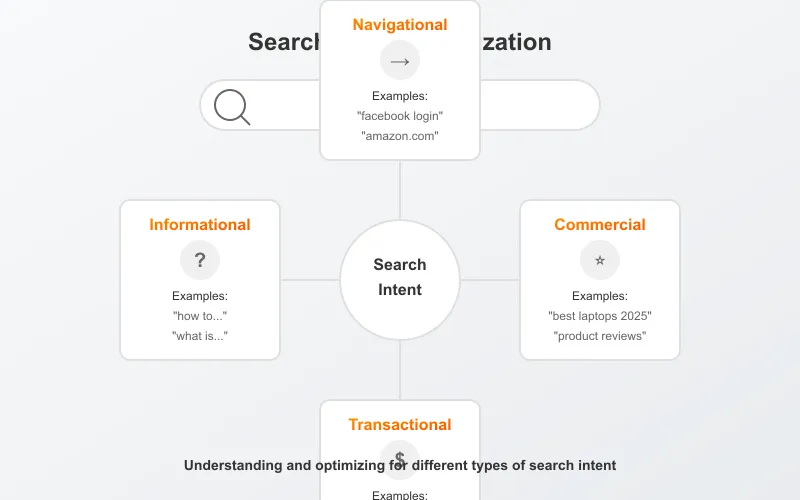
1. Optimize for Search Intent
In 2026, Google's algorithms have become incredibly sophisticated at understanding user intent. It's no longer enough to target keywords; you need to satisfy the reason behind the search.
How to implement:
- Analyze the top 10 search results for your target keywords to understand what type of content is ranking
- Identify whether the intent is informational, navigational, commercial, or transactional
- Structure your content to match the dominant intent pattern
- Include all subtopics and information formats (videos, images, FAQs) that appear in top-ranking results
Pro tip: Use Google's "People Also Ask" and "Related Searches" sections to identify additional intent signals and subtopics to cover in your content.
2. Create Comprehensive, E-E-A-T-Focused Content
Google's E-E-A-T guidelines (Experience, Expertise, Authoritativeness, and Trustworthiness) have become even more important in 2026, especially for YMYL (Your Money or Your Life) topics.
How to implement:
- Develop content that demonstrates first-hand experience with the subject matter
- Include author bios that highlight relevant credentials and expertise
- Back up claims with data and citations from authoritative sources
- Keep content updated with the latest information and developments
- Include comprehensive coverage of topics (aim for 1,500+ words for pillar content)
- Structure content logically with clear headings, subheadings, and bullet points
Pro tip: For YMYL topics (health, finance, safety, etc.), consider having content reviewed by subject matter experts and clearly indicate this on the page.
3. Optimize for Featured Snippets
Featured snippets (position zero) can dramatically increase your visibility and click-through rates, even if you're not ranking #1 organically.
How to implement:
- Identify keywords that trigger featured snippets in your niche
- Create concise, direct answers to common questions (40-60 words is ideal)
- Use clear formatting with appropriate header tags (H2, H3, H4)
- Include step-by-step lists, tables, and definitions where appropriate
- Structure content with "What is," "How to," "Why," and other question formats
Pro tip: After providing a concise answer that could be featured, expand on the topic with additional valuable information to encourage users to click through for more details.
4. Implement Schema Markup
Structured data helps search engines understand your content better and can lead to rich results that stand out in search listings.
How to implement:
- Add appropriate schema markup for your content type (Article, FAQ, HowTo, Product, etc.)
- Use Google's Structured Data Testing Tool or Schema Markup Validator to check implementation
- Focus on schema types that generate rich results in your industry
- Keep structured data up-to-date with your content changes
Pro tip: FAQ schema is particularly effective for increasing SERP real estate and driving additional traffic, as it displays expandable questions directly in search results.
5. Focus on Core Web Vitals
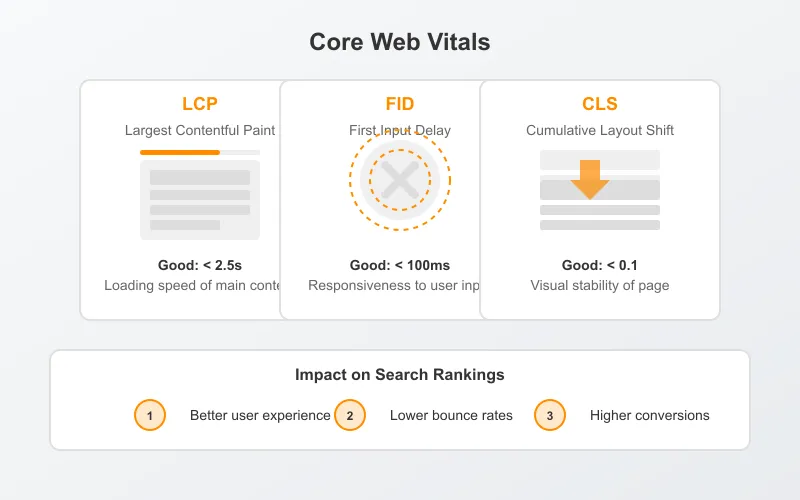
Page experience signals, particularly Core Web Vitals, have become increasingly important ranking factors in 2026.
How to implement:
- Optimize Largest Contentful Paint (LCP) by improving server response times and resource load times
- Minimize First Input Delay (FID) by optimizing JavaScript execution
- Reduce Cumulative Layout Shift (CLS) by specifying image dimensions and avoiding dynamic content insertions
- Use Google PageSpeed Insights and Search Console to identify specific improvements
- Implement lazy loading for images and videos below the fold
- Use a content delivery network (CDN) to improve loading speeds globally
Pro tip: Prioritize mobile optimization, as Google now uses mobile-first indexing exclusively for all websites.
Content Marketing Strategies
6. Develop a Strategic Content Calendar
Consistent, strategic content publication helps build audience expectations and ensures you're covering all relevant topics in your niche.
How to implement:
- Conduct keyword research to identify high-opportunity topics
- Map content to different stages of the customer journey (awareness, consideration, decision)
- Plan content clusters around pillar topics to build topical authority
- Schedule content publication at optimal times for your audience
- Balance evergreen content with timely, trending topics
- Include different content formats (blog posts, infographics, videos, podcasts)
Pro tip: Create a content repository of evergreen pieces that can be updated and republished periodically to maintain freshness signals for search engines.
7. Leverage Content Repurposing
Maximize the value of your content by transforming it into multiple formats to reach different audience segments.
How to implement:
- Turn comprehensive blog posts into video tutorials
- Extract key points from articles to create infographics
- Convert webinars into blog posts with additional insights
- Transform statistics and data into shareable social media graphics
- Compile related blog posts into downloadable guides or ebooks
- Create podcast episodes discussing the topics from your written content
Pro tip: When repurposing content, always add new value rather than simply reformatting. Include additional insights, updated information, or format-specific enhancements.
8. Implement the Skyscraper Technique
The Skyscraper Technique involves finding popular content in your niche and creating something substantially better.
How to implement:
- Use tools like Ahrefs or BuzzSumo to identify high-performing content in your industry
- Analyze what makes the content successful (comprehensiveness, visuals, examples, etc.)
- Create content that improves upon existing material in every way (more comprehensive, better designed, more current, etc.)
- Reach out to websites linking to the original content to suggest your improved version
Pro tip: Focus on outdated content with many backlinks as prime opportunities for the skyscraper technique.
9. Create Interactive Content
Interactive content generates higher engagement rates and longer time-on-page metrics, which can positively impact rankings.
How to implement:
- Develop calculators or tools relevant to your industry
- Create interactive infographics that users can explore
- Build quizzes that provide personalized results
- Design assessments that help users evaluate their knowledge or situation
- Implement polls and surveys that show real-time results
Pro tip: Make interactive content embeddable so other websites can share it, potentially generating backlinks and additional traffic.
10. Optimize for Voice Search
With the proliferation of smart speakers and voice assistants, voice search optimization has become essential in 2026.
How to implement:
- Focus on conversational, long-tail keywords that match natural speech patterns
- Create content that directly answers specific questions
- Optimize for local searches with phrases like "near me" or "in [location]"
- Improve page loading speed, as voice search results typically come from fast-loading pages
- Use structured data to help voice assistants understand your content
Pro tip: Create an FAQ page that addresses common questions in your niche using natural language patterns.
Social Media and Community Strategies
11. Build Strategic Social Media Presence
Rather than trying to be everywhere, focus on the platforms where your target audience is most active.
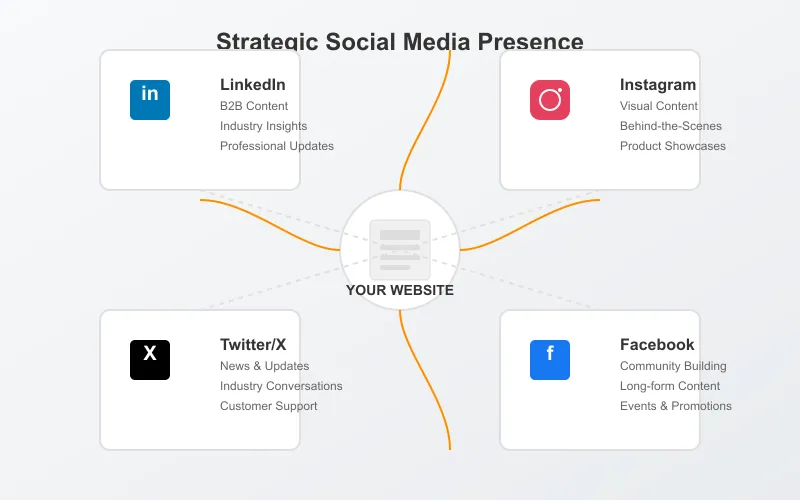
How to implement:
- Research where your target audience spends their time online
- Develop platform-specific content strategies (what works on Instagram won't necessarily work on LinkedIn)
- Create a consistent posting schedule using content calendars
- Engage authentically with followers and industry conversations
- Use social listening tools to identify trending topics in your niche
- Analyze performance metrics to refine your approach over time
Pro tip: In 2026, micro-communities within larger platforms have become increasingly important. Identify and engage with niche groups related to your industry.
12. Leverage User-Generated Content
User-generated content (UGC) builds community engagement while providing fresh content for your site.
How to implement:
- Create challenges or contests that encourage users to share content
- Feature customer stories, reviews, and testimonials
- Implement a guest posting program with clear guidelines
- Create community forums or discussion boards on your website
- Showcase user submissions on your social media channels
Pro tip: Always obtain proper permissions for UGC and give credit to creators to build goodwill and encourage more participation.
13. Participate in Online Communities
Becoming an active, valuable member of online communities can drive targeted traffic to your website.
How to implement:
- Identify relevant communities on platforms like Reddit, Quora, Facebook Groups, and industry forums
- Contribute valuable insights and answers without being overly promotional
- Include links to your content only when they genuinely add value to the conversation
- Build a reputation as a helpful industry expert
- Host AMAs (Ask Me Anything) sessions in relevant communities
Pro tip: Many communities have specific rules about self-promotion. Always read and respect community guidelines to avoid being banned.
14. Implement Social Sharing Optimization
Make it easy and appealing for visitors to share your content on social platforms.
How to implement:
- Add prominent social sharing buttons to all content
- Create custom social sharing images for each major platform
- Implement Open Graph and Twitter Card meta tags
- Include click-to-tweet quotes within your content
- Add social proof indicators (share counts) when numbers are impressive
- Create shareable snippets of longer content
Pro tip: Test the appearance of your shared links using tools like the Facebook Sharing Debugger and Twitter Card Validator before publishing.
15. Engage with Influencers
Building relationships with industry influencers can significantly expand your reach without paid promotions.
How to implement:
- Identify relevant micro and macro influencers in your niche
- Engage genuinely with their content before making any requests
- Feature influencers in your content through expert roundups or interviews
- Create valuable content that influencers would naturally want to share
- Offer to collaborate on content projects of mutual interest
Pro tip: In 2026, micro-influencers (those with smaller but highly engaged audiences) often provide better ROI than celebrities or mega-influencers.
Technical and Outreach Strategies
16. Implement Internal Linking Strategy
Strategic internal linking improves site navigation, distributes page authority, and increases page views per session.
How to implement:
- Create a content hub structure with pillar pages and supporting content
- Use descriptive, keyword-rich anchor text for internal links
- Link from high-authority pages to important conversion pages
- Update older content with links to newer related articles
- Use breadcrumbs for improved navigation and SEO
- Implement "related posts" sections at the end of articles
Pro tip: Conduct regular internal link audits to identify and fix broken links and add new relevant connections between content.
17. Build Strategic Partnerships
Collaborating with complementary (non-competing) businesses can help you tap into established audiences.
How to implement:
- Identify businesses that serve the same audience but offer different products/services
- Co-create content such as webinars, guides, or research reports
- Exchange guest posts on each other's blogs
- Cross-promote content on social media channels
- Develop co-branded tools or resources
Pro tip: Start with smaller partners and build a portfolio of successful collaborations before approaching larger organizations.
18. Implement Email Marketing
Email remains one of the most effective channels for driving repeat traffic to your website.
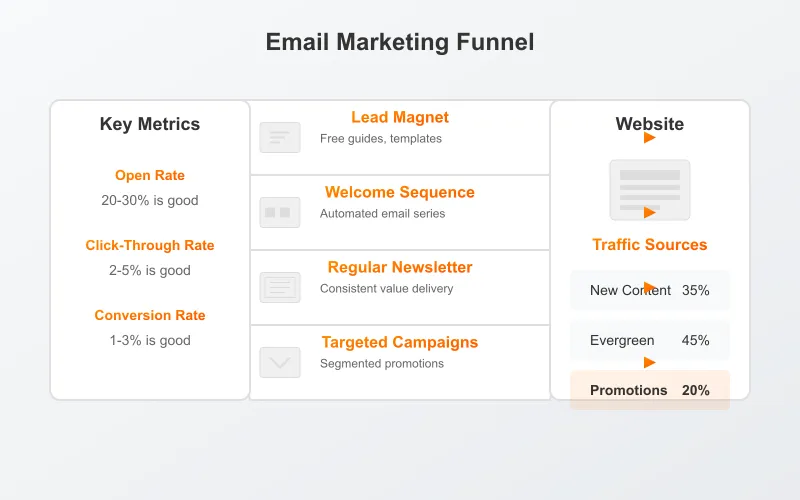
How to implement:
- Create compelling lead magnets to build your email list
- Segment your audience based on interests and behaviors
- Develop a welcome sequence for new subscribers
- Send regular newsletters with your best content
- Use automated sequences to resurface evergreen content
- Analyze open rates, click-through rates, and conversion metrics
Pro tip: In 2026, with increasing privacy concerns, focus on quality over quantity in email marketing. A smaller, engaged list is more valuable than a large, unresponsive one.
19. Optimize for Local SEO
For businesses with physical locations or serving specific geographic areas, local SEO is essential for driving relevant traffic.
How to implement:
- Create and optimize your Google Business Profile
- Ensure NAP (Name, Address, Phone) consistency across all online directories
- Generate authentic customer reviews on Google and industry-specific platforms
- Create location-specific content and landing pages
- Implement local schema markup on your website
- Build citations on relevant local directories
Pro tip: In 2026, Google's local search algorithms heavily weight proximity, relevance, and prominence. Focus on building local authority through community involvement and local link building.
20. Leverage Video Content
Video content continues to dominate engagement metrics in 2026, with platforms like YouTube serving as powerful traffic sources.
How to implement:
- Create video content that addresses common questions in your industry
- Optimize video titles, descriptions, and tags for search
- Include timestamps for longer videos to improve user experience
- Add cards and end screens linking to your website
- Embed videos in relevant blog posts to increase time on page
- Repurpose video content into other formats (blog posts, podcasts, etc.)
Pro tip: Short-form video has become increasingly important for discovery. Create platform-specific short versions of your content for TikTok, Instagram Reels, and YouTube Shorts to drive traffic to your full-length content.
Measuring Traffic Growth Success
Implementing these strategies is just the beginning. To truly optimize your traffic growth, you need to measure results and refine your approach.
Key metrics to track:
- Overall traffic: Total visitors, new vs. returning visitors
- Traffic sources: Organic search, social, referral, direct, email
- Engagement metrics: Time on page, bounce rate, pages per session
- Conversion metrics: Conversion rate by traffic source
- Content performance: Most visited pages, entry and exit pages
- Technical metrics: Page load time, mobile usability, Core Web Vitals
Pro Tip: Set up custom dashboards in Google Analytics 4 to monitor your most important traffic metrics at a glance. Schedule monthly reviews to identify trends and opportunities for optimization.
Conclusion
Increasing website traffic doesn't require a massive budget—just strategic implementation of proven techniques. By combining these 20 free strategies, you can build a sustainable traffic generation system that continues to grow over time.
Remember that traffic generation is a marathon, not a sprint. Consistency and patience are key, as many of these strategies take time to show their full impact. Start with the methods most relevant to your business and audience, then gradually expand your efforts as you build momentum.
Most importantly, always focus on providing value to your audience. The most effective traffic generation happens when you create content and experiences that people genuinely want to engage with and share.
Frequently Asked Questions
How long does it take to see results from these traffic strategies?
Results vary depending on your industry, competition, and current website authority. Some strategies like social media sharing can drive immediate traffic, while SEO efforts typically take 3-6 months to show significant results. Consistency is key—most websites see exponential rather than linear growth after the 6-12 month mark of implementing these strategies.
Which traffic source should I prioritize first?
Start with the channels where your audience is already active. If you're unsure, organic search (SEO) and email marketing typically provide the highest ROI for most businesses. Social media can be effective for B2C brands, while B2B companies often see better results from content marketing and community engagement strategies.
How much content do I need to create to see traffic growth?
Quality matters more than quantity. One comprehensive, well-optimized piece of content can outperform dozens of thin articles. That said, a consistent publishing schedule helps build momentum. For most businesses, 1-4 high-quality pieces per month is a sustainable pace that can drive significant traffic growth over time.
Do these strategies work for new websites?
Yes, but the approach may differ. New websites should focus on building a foundation of high-quality content, technical optimization, and initial link building. Social media and community engagement can help generate early traffic while SEO builds over time. New sites may also benefit from more aggressive content production in the early stages to build critical mass.
How do I know which strategies are working best for my website?
Use Google Analytics to track traffic sources and set up goals to measure conversions from each source. This allows you to calculate the ROI of your efforts and double down on what's working. Also implement UTM parameters for all your marketing links to get granular data on which specific campaigns and content pieces drive the most valuable traffic.